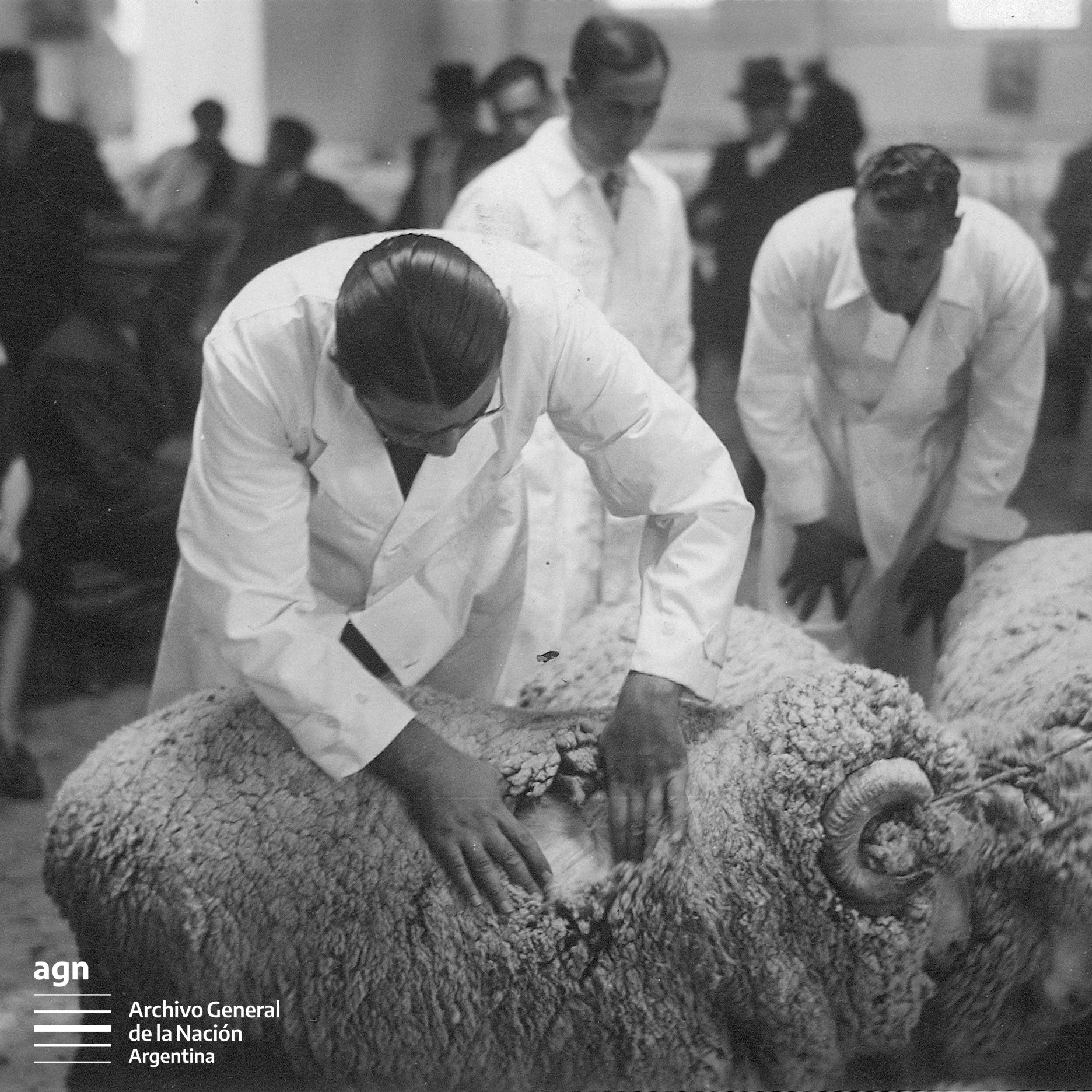
La necesidad de crear una “Sociedad Rural” surgió principalmente de los ganaderos de la región.
Fue una forma de conectar con los sectores más importantes económicamente para defender sus intereses y articular sus demandas colectivas hacia el gobierno nacional. Estas “Sociedades Rurales” se crearon en las principales ciudades de cada territorio patagónico y actuaron como verdaderos grupos de interés (lobbies) cuyos interlocutores directos eran los gobiernos territoriales y locales.

El 16 de Febrero de 1913 se fundó la Sociedad Rural de Puerto Deseado, y en 1921 la Sociedad Rural de Río Gallegos. Durante la década de 1930, en Santa Cruz surgieron nuevas entidades rurales: Puerto San Julián, Puerto Santa Cruz, y así sucesivamente. Muchas de ellas contaron con la ayuda financiera de las firmas comerciales La Anónima y Stubenrauch.
Los objetivos de estas asociaciones rurales de la Patagonia se centraban principalmente en el fomento y la protección de la ganadería, la agricultura y las industrias relacionadas, así como en la mejora de los métodos culturales y ganaderos.
Para hacer visible este poder, organizaron exposiciones rurales anuales. Estas fueron verdaderas jornadas de fiesta, que daban espacio a la convivencia pero también a las demandas al gobierno central, expresando intereses sectoriales y necesidades concretas para asegurar las bases materiales su dominio en la región.
Con estas herramientas, los grandes terratenientes patagónicos fueron haciéndose cada vez más fuertes y más presentes en los pasillos de las autoridades nacionales.